Bring on the Glam with Art Deco Pumpkins Clipart
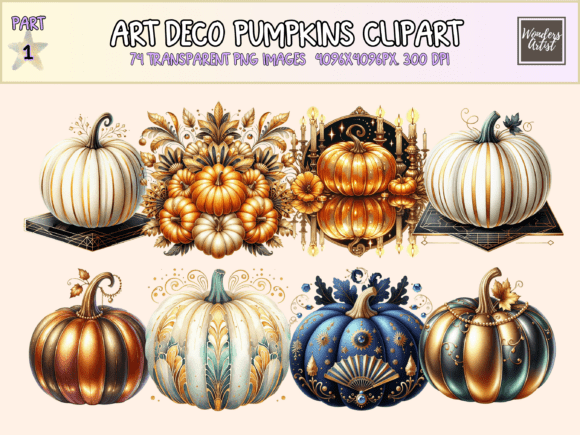
There’s a moment in every fall project where you need something that feels both seasonal and sophisticated. You want the warmth of autumn, but without the typical rustic clichés. That’s exactly where the Art Deco Pumpkins Clipart collection steps in — it’s not just about pumpkins; it’s about transforming a familiar symbol into a statement of style. Think of it as the difference between a simple gourd and a gilded centerpiece at a 1920s gala.
The Visual Language of Deco Gourds
So, what defines this particular style? It’s all about structure and ornamentation. Imagine pumpkins adorned with sharp, geometric patterns — fans, sunbursts, and symmetrical lines that echo the architecture and design of the Art Deco movement. The color palette moves beyond basic orange into rich jewel tones like emerald and sapphire, alongside sophisticated neutrals and, of course, the essential metallic gold and silver accents. These aren't clipart elements meant to blend into the background; they are designed to be focal points, bringing a sense of luxury and intentional design to any canvas.
The personality of these assets is confident and glamorous. They carry the energy of the Roaring Twenties — a time of celebration and bold aesthetics. This makes them perfect for projects that need to communicate elegance, quality, and a touch of vintage charm. Whether you’re a designer building a brand identity or a crafter personalizing a journal, the visual weight of Art Deco Pumpkins Clipart helps create an immediate impression of high-end, thoughtful curation.
Where This Clipart Truly Shines
Understanding the best applications for these design assets is key to unlocking their full potential. Their inherent elegance makes them versatile across both personal and commercial projects, but they excel where a premium feel is non-negotiable.
For Branding and Marketing
If you’re developing a brand identity for a boutique, a luxury candle line, or a high-end bakery, these pumpkins can become a core visual element. Use them in logo design to create a seasonal variation that doesn’t stray from a sophisticated brand voice. In packaging design, a single Art Deco pumpkin can elevate a product label, making it stand out on a shelf. For social media graphics, they provide scroll-stopping visuals for autumn campaigns, especially for businesses in fashion, beauty, or event planning. They work exceptionally well as backgrounds for text overlays or as decorative frames in email headers.
For Publishing and Digital Design
In editorial design, think about feature spreads for fall magazines, cookbook chapters, or lifestyle blogs. The clipart can serve as decorative dividers, spot illustrations, or chapter openers that set a luxurious tone. For web design, they can be used sparingly as icons or section accents to guide the user’s eye without overwhelming the layout. The key is to use them as strategic accents rather than covering entire backgrounds, which maintains their impact and ensures readability of accompanying text — whether you’re pairing them with a clean sans serif font for body copy or a elegant serif font for headlines.
For Personal and Craft Projects
This is where the fun really begins. For crafters and hobbyists, Art Deco Pumpkins Clipart is a gateway to creating truly unique items. Use them for upscale planner spreads that make weekly organization feel glamorous. Design invitations for a Halloween party or a fall wedding that want to avoid spooky or overly casual themes. They are perfect for sublimation designs on mugs, coasters, or tote bags. Journaling enthusiasts can print and cut them out to create stunning collages or decorative tape. The transparent PNG format means they can be layered seamlessly over other elements, giving you creative freedom.
Making the Most of Your Assets
When you download a bundle like this, you’re not just getting a few images; you’re getting a toolkit. To use it effectively, consider a few practical steps.
Evaluate Your Project’s Needs: Before you start, ask what role the clipart will play. Is it a hero image, a background texture, or a small accent? This will determine which elements from the bundle you choose and how you scale them. A large, detailed pumpkin might work for a poster, while a smaller, simpler motif could be better for a business card.
Test Your Font Pairings: The decorative nature of Art Deco graphics pairs best with cleaner typography. Try combining them with a modern sans serif font for body text to create balance. For headings, a bold serif font or even a sleek script font can complement the geometric lines. Always test readability; ensure there’s enough contrast between the clipart and the text placed over it.
Leverage the Color Palette: Most premium clipart bundles offer multiple color variations. Use the jewel-toned versions for rich, opulent designs. The neutral or metallic options can be more versatile for minimalist or masculine projects. Don’t be afraid to recolor them slightly in your design software to match your specific brand colors — just ensure you have the rights to modify the assets for your use case.
Check the License: This is a crucial, often overlooked step. If you’re using the Art Deco Pumpkins Clipart for commercial projects — like selling prints, creating merchandise, or designing client work — confirm the license permits this. A good commercial font or asset license should clearly outline permitted uses, from digital products to physical goods. Understanding this upfront saves legal headaches later and ensures you can use the assets confidently in your professional workflow.
Ultimately, the value of a resource like this lies in its ability to solve a specific creative problem: how to make fall-themed designs feel elevated, cohesive, and distinctly stylish. It’s about adding that golden glow of sophistication to your work, one geometric pumpkin at a time. By integrating these assets thoughtfully, you move beyond generic seasonal imagery and into the realm of curated, professional design that resonates with an audience appreciative of quality and detail.